Zero-Day Exploits
In the ever-evolving landscape of cybersecurity, one of the most feared and elusive threats is the Zero-Day Exploit. These attacks target vulnerabilities in software or hardware that are unknown to the vendor, leaving no available patch or fix. This makes them highly valuable to cybercriminals, nation-state actors, and even ethical hackers looking to disclose issues responsibly.
Zero-Day Exploits: The Silent Cyber Threat
A Zero-Day Exploit is a cyberattack that targets unknown software or hardware flaws before developers can fix them. With no available patch, these vulnerabilities become prime targets for hackers, making them one of the most dangerous security risks.
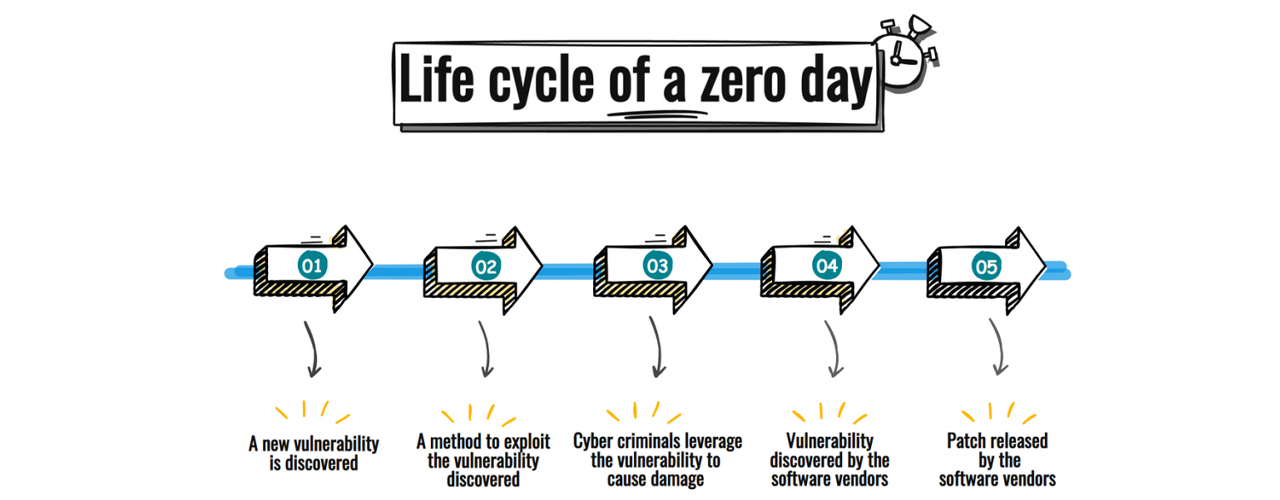
How Do Zero-Day Attacks Happen?
- Discovery – Hackers or researchers find a hidden flaw in a system.
- Exploitation – Attackers create malware to take advantage of the flaw.
- Deployment – The exploit spreads through phishing, infected websites, or direct system attacks.
- Execution – The malware activates, granting unauthorized access or control.
- Persistence – Attackers may steal data, install more malware, or maintain long-term access.
Defending Against Zero-Day Exploits
While zero-day threats can’t be eliminated entirely, you can reduce the risk:
- Update your software regularly to receive the latest security patches.
- Use strong cybersecurity tools like advanced firewalls, intrusion detection systems, and endpoint security.
- Follow best security practices such as limiting user privileges and using network segmentation.
- Stay informed by monitoring security alerts from trusted sources like CISA and MITRE.
The Future of Cybersecurity
With hackers becoming more advanced, the fight against zero-day threats is evolving. AI-driven threat detection, ethical hacking programs, and proactive security research are crucial in reducing risks. Staying aware and proactive is the best way to stay ahead.