Phishing Attacks
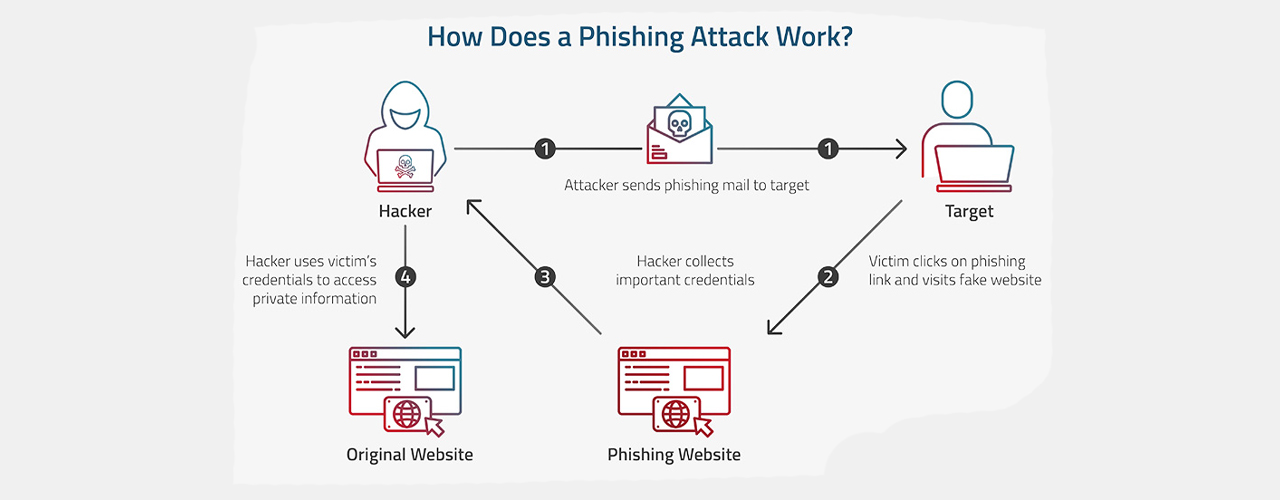
Phishing attacks remain one of the most common and dangerous cyber threats, tricking individuals into revealing sensitive information through deceptive emails, messages, or websites. These attacks often impersonate trusted entities to steal credentials, financial data, or personal details.
Phishing Attacks: How They Work and How to Stay Safe
Phishing remains one of the most effective cyber threats, tricking users into revealing sensitive information through fraudulent emails, websites, or messages. These attacks exploit human psychology rather than technical vulnerabilities, making them a persistent security risk.
How Phishing Attacks Work
- Email Phishing – Attackers send fake emails impersonating banks, service providers, or trusted organizations, urging recipients to click malicious links.
- Spear Phishing – A more targeted approach where cybercriminals research individuals and craft personalized messages to increase credibility.
- Smishing & Vishing – Attackers use SMS (smishing) or voice calls (vishing) to trick victims into sharing confidential data.
- Malicious Websites – Fake login pages mimic real websites to steal usernames, passwords, and financial information.
How to Identify and Prevent Phishing Attacks
Recognizing phishing attempts is the first step in preventing them. Here are some key tips:
- Verify Email Addresses – Look for slight misspellings or unusual domains in sender addresses.
- Hover Over Links – Check if a link leads to a suspicious or unrelated website before clicking.
- Beware of Urgent Requests – Phishing messages often create panic, urging immediate action like resetting a password or confirming account details.
- Enable Multi-Factor Authentication (MFA) – Even if credentials are stolen, MFA provides an extra layer of security.
- Keep Software Updated – Security patches help protect against vulnerabilities that phishing attacks may exploit.
What to Do If You Fall Victim to Phishing
If you suspect you've entered your credentials on a phishing site, take immediate action:
- Change Your Passwords – Update compromised accounts and use strong, unique passwords.
- Monitor Your Accounts – Check for unauthorized transactions or activities.
- Report the Attack – Notify your organization, bank, or email provider about the phishing attempt.
- Use Security Software – Run antivirus scans and consider using anti-phishing browser extensions.
Staying Ahead of Phishing Threats
Cybercriminals are constantly improving their phishing tactics, making awareness and vigilance essential. Educating employees, using email security tools, and staying informed about the latest threats can significantly reduce the risk of falling for phishing scams.